I'm building a Python tutorial for my nephews that turns an old Android phone into a smart camera that detects and labels objects.


Early captures of greatness
It’s deployed on a VPS with Docker, PyTorch and Hugging Face models paired to my RTX 3090 for inference. I could give additional details, but I suspect you're more like my girlfriend. After I showed her a live stream from the phone’s camera in a Chrome browser, Beth said, "I want to see the birds that visit our backyard. Can you build a birdbath that takes photos of the bird? Can you identify the species? What about butterflies?"
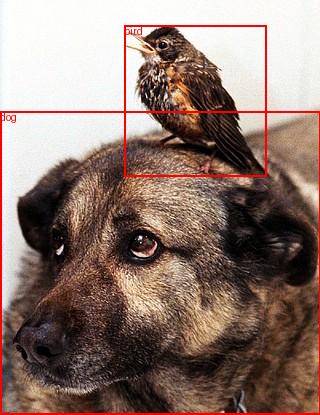
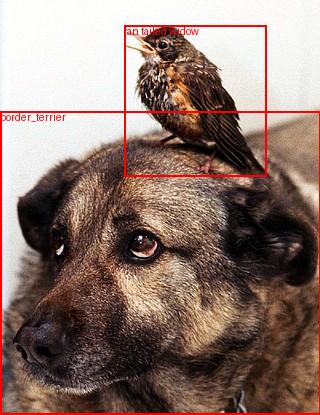
From object detection to classification
I didn’t expect this project to become a metaphor for AI consulting, but it kept turning discovery into value — which is the whole vibe. From conversations with other consultancies, friends and research, there’s a lot of talk about AI in consulting but no consensus on what it actually looks like.
Common questions include
- Do customers need a generalist AI consultant? What does that person even do?
- Should specialist consultancies add a generalist AI consulting arm to their services portfolio?
- How does anyone get or create value out of an "AI audit"?
- Is this just more AI slop or a passing fad?
The punchline: Yes. Management consulting. Yes. Ask better questions. It depends (but probably no).
Your AI consultant is a “Jack of all Trades”
I just bought a 1960s era house, so I’ve been thinking about the push-pull with hiring a handyman versus hiring a specialized contractor. As they’ve said since the 1600s, "A jack of all trades is a master of none, though oftentimes better than a master of one."

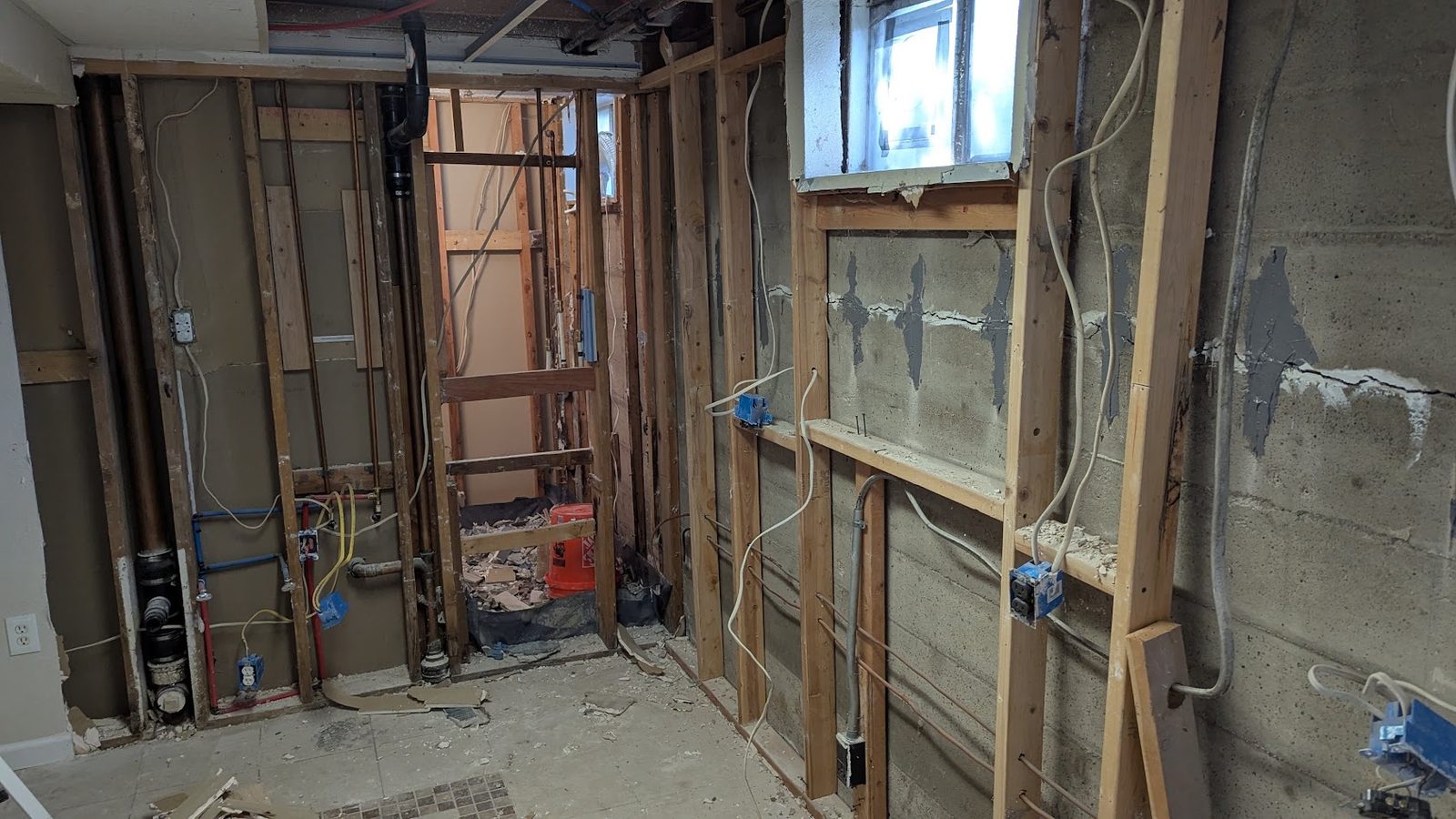
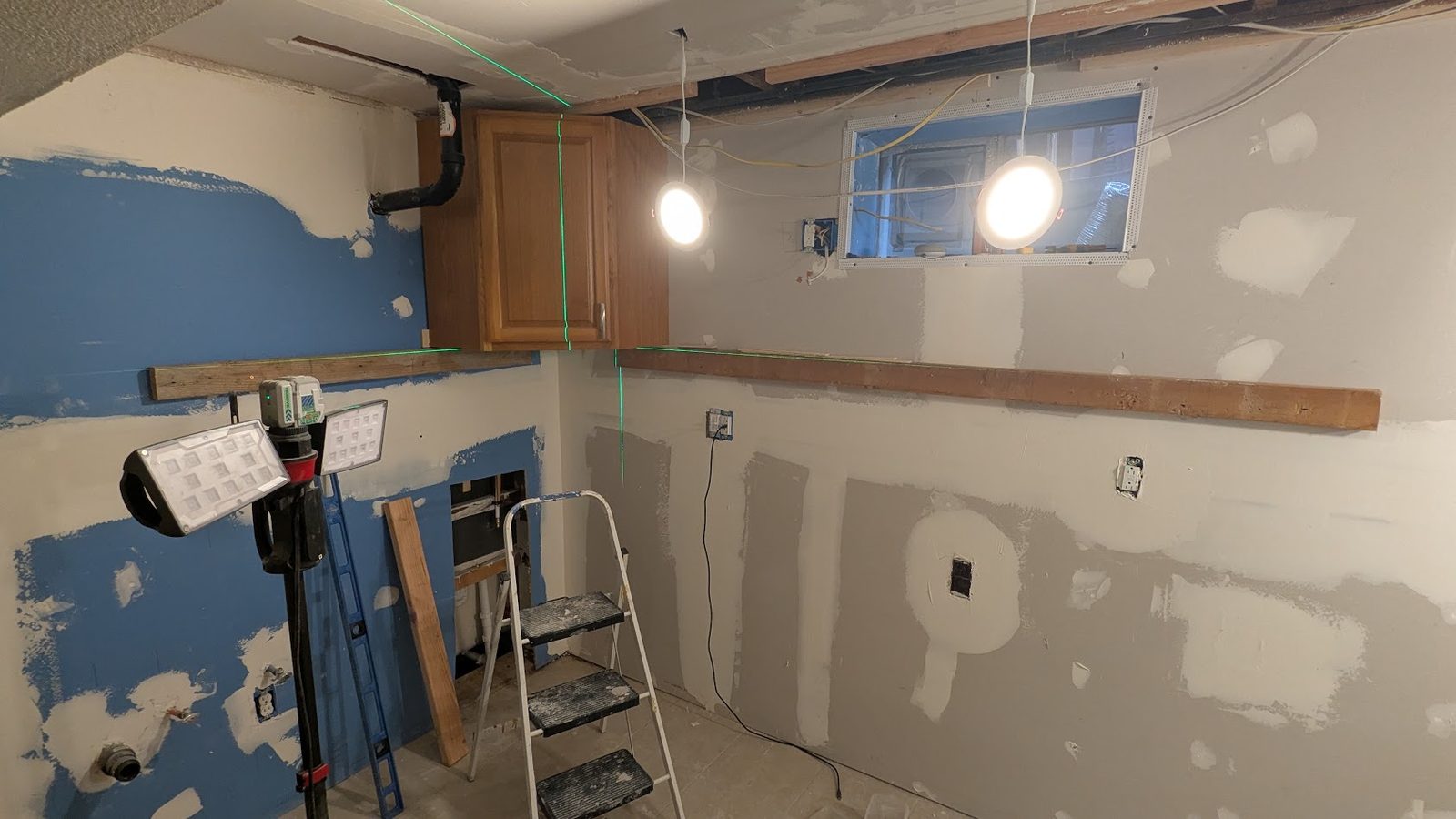
It’s never just a new backsplash.
It started as a new backsplash, then I discovered foundation issues — so while the drywall was open, I leaned on my handyman to re-evaluate the outlet and appliance layout, and we even redid some plumbing. The work is definitely unpermitted, but I appreciated his insight and design advice for making a dated kitchen a more usable space.
On the other hand, when I hired a specialist team to do my driveway, they were in and out in 3 days. While the concrete pour is perfect, I did lament that nobody on the team ever asked how the driveway would meet the landscaping — channel drains instead of downspouts over walkways is a silly detail that was missed in planning, and one I’m not going to go back and fix. I guess that’s the pro/con of hourly generalists who have the incentive to be ‘ideas guys’ versus the other team that gets paid to finish the project on time and under budget.
AI consultants are kind of like that too. They won’t be as polished as a big 4 management consulting firm, and they won’t necessarily have the depth of knowledge of a specialized system integrator— but I’d posit that’s not the point. My favorite thing about working on these types of projects is picking a problem and proving we can make it better – some solutions will be hack-ier than others, but if we save half an hour of time or automate an insight generation pipeline leading to a 5% lift in customer conversions, that opens the door for larger investment. And if we decide it’s worth bringing in a specialist team, we now have a tightly scoped project with a clear understanding of the expected lift.
I say I’m platform neutral, but honestly that’s one of the main selling points of Domo as an analytics and automation platform. It’s not the platform for any one task, but it is a comprehensive platform that can prove the value of a POC - and honestly the difference between a hacky solution and a production ready build is usually just a few hours of additional investment.
What is the industry optimizing for?
When it comes to AI, the distinction I keep coming back to is between AI-enabled delivery and using AI to deliver new value. In the consulting and engineering world, we almost exclusively think about using AI to scale engineering headcount – ship more code faster and manage risk by squashing bugs, but we haven’t invested in helping businesses understand what to do with AI.
Shipping code faster has diminishing returns
I was recently evaluating partnership with an ERP consultancy – they would provide Salesforce and Hubspot implementation, I would provide AI consulting services.
Them: “We only partner with the best engineers, are you willing to do a Salesforce technical implementation project.”
Me: “In my consulting practice I have built several integrations and analytics solutions using data originating from Salesforce, but I have honestly never opened Salesforce.”
The call ended shortly thereafter. I want to sell a service into an existing customer base focused on delivering value by automating and scaling business processes. They want to hire engineers familiar with AI accelerated delivery to improve their margins.
I would posit that ‘shipping code’ fast has diminishing returns because businesses don’t care about ‘fast’. I mean, they do, but they don’t. If I can identify projects that result in 5% lift in conversions and 10% reduction in churn and risk, every business wants that. All the time. Yes, budgets aren’t infinite – but if my roadmap of projects deliver on value, we theoretically have perpetual work and budget.
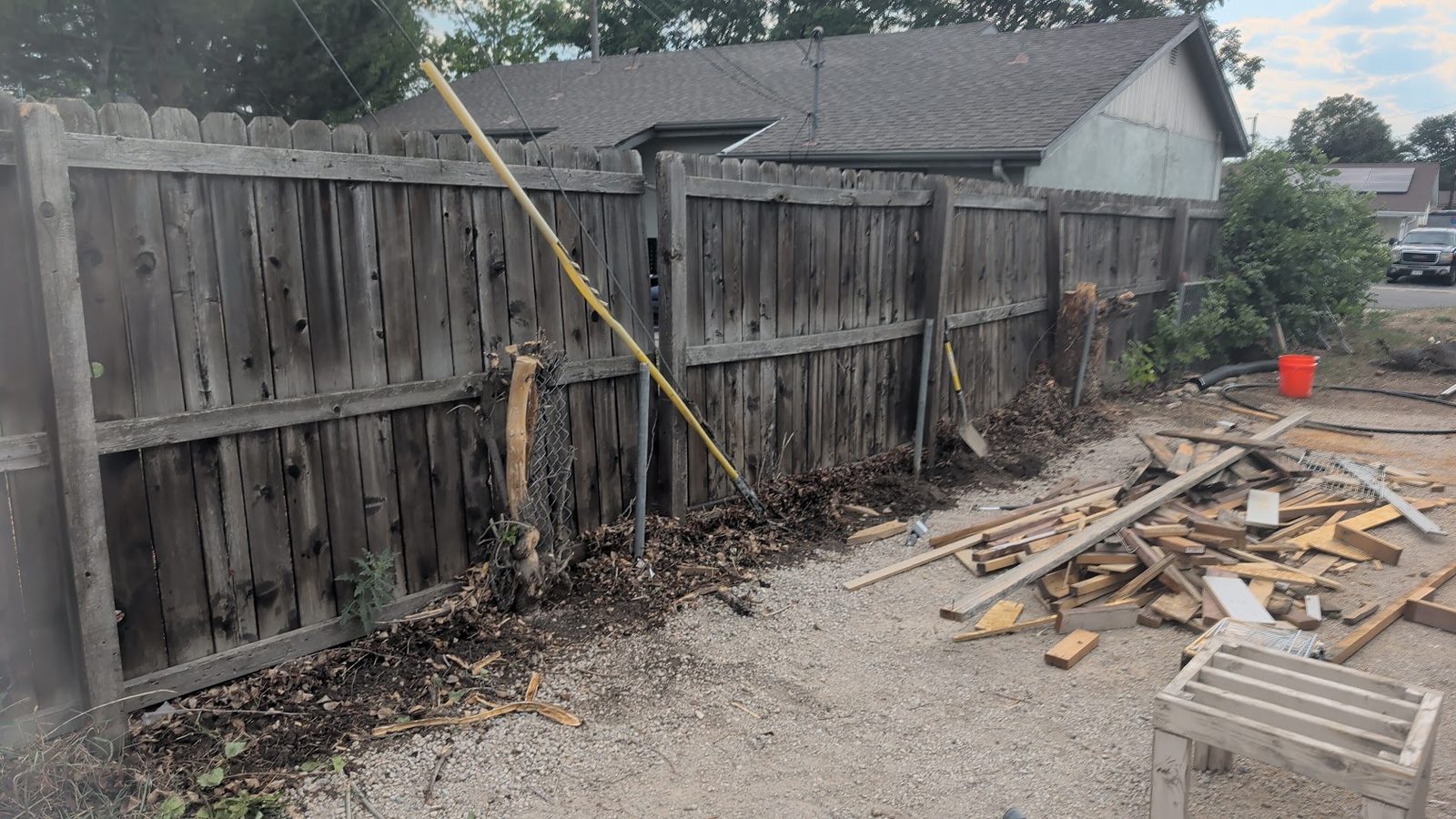
If my concrete guy did my driveway in 1 day instead of 3 in the grand scheme of life, I (as the customer) don’t care. Sure, he can move onto the next driveway, but I’ll probably never see him again, and he has to keep finding customers until he does all the driveways in Denver. Meanwhile I try to bring in my handyman once a month to work on small projects on my ‘honey do’ list.


There’s always something
Non-engineers have been burnt by AI
In the realm of AI interactions, using it to ship code got all the good press – leaving only bad press everywhere else. We’ve all
- experienced frustrating robot helpdesks and chatbots
- been inundated by AI slop on LinkedIn, email and YouTube
- and fixed hallucinations in AI-generated meeting summaries, analytics or other generated documents
Small wonder that so many businesses want to keep abreast with competitors who seem to be scaling with AI adoption, but feel burnt when they trial a POC. If I’m honest I think we just have unreasonable expectations. I love using AI for code, but we coddle it like a very newb developer – we write elaborate plans, arm it with a carefully selected body of skills, patiently grind through code reviews, establish a body of standards and samples and then work on one small problem at a time.
Meanwhile we go to our chatbots with vague requests like “tell me something insightful that happened in sales last week” or “write me an article about Snowflake’s semantic layer – make sure it sounds like me” – small wonder the world is exploding with AI slop and businesses have a sour taste from attempting to adopt AI.
Let’s assume you worked on the product marketing team for Snowflake and you were tasked with producing an article for the blog. Think about everything around the writing: collecting source material, proofreading each draft, reposting to socials and partner networks, a long-form YouTube cut, the conference circuit. Maybe ChatGPT can’t write a good article — but it could absolutely build an automated command center that tracks every article you have in flight.
That’s the moment of consideration: use AI to write a better article (faster, less sloppy), or systematize the content pipeline with the goal of driving sales through increased visibility.
One of the early pivots of the gen AI hype cycle was designing for HITL (humans in the loop) – not because gen AI isn’t good enough, but because humans have taste, voice, relationships, opinions, and power that should be reflected and maintained in automated processes.
The balance between curiosity and expertise
Almost every business has a gap between ‘the business’ and the IT and data teams that support it — and closing that gap with analytics and AI is less of a software engineering task than it looks.
I was speaking to the Head of IT about leading their greenfield analytics program.
Them: “We are looking for a lead who can guide a group of highly technical engineers to deliver value with data projects.”
Me: “Awesome, what is your business trying to get done?”
Them: “We want to AI the [heck] out of our data.”
I interpreted this to mean, “we don’t have a roadmap of high priority projects – we just know we have to do something.”
Me: “I’m great at working with business teams to define and solve pain points in workflows — automation and integration that get data to decision makers faster while building data trust. Align the roadmap to ranked problems, and we can even use AI to generate insights while analysts validate hypotheses and focus on solutions.”
Them: “From your resume, it seems like the engineers wouldn’t respect you because you don’t have more technical depth than them.”
After the conversation ended, I remembered interactions with a previous manager, John – one of the best engineering leads I’ve ever worked with. Me: “I can’t tell if you’re really smart or actually know nothing and just let me do my job.” Every time I’d meet with him, I felt like I’d end up explaining the technical complexities of a platform or concept to my manager. He would lead with some silly banter then patiently poke and prod my plans forcing me to explain my thinking. Then he’d go away to meet with business stakeholders to understand how he could continue to align engineering roadmaps and backlogs to address problems for the business.
Looking back, it was never a question whether I respected John, he would always defer to my platform expertise, but when we were debating the intricacies of a plan he always had a laser clear vision of how it needed to work to ease friction for our consumers. I would regularly lament, “you can’t just walk in here, drop a bomb, wave your hands and say just fix it – given the constraints of the platform, what you’re asking for is not possible” … “Well, figure it out,” and off he went.
At the time, I knew I could never do John’s job. He was so good at asking questions. And I was too good at being an expert.
In strategic consultative roles, we must value curiosity and diagnosis over opinions and prescription.
People love prescriptions, but undervalue diagnostics. It’s probably why videos like “The 5 best vacuum cleaners in 2026” get made every quarter – meanwhile nobody watches “How to pick the best vacuum for your home.”
Opinions are easy because they are divisive and can be debated – the winners are frequently the person armed with the most facts, increasingly that’s Claude with a web-search tool. Knowing how to ask good questions and contextualize and personalize the results? That’s often worth paying for.
So what exactly is AI consulting?
From what I’ve seen AI assessments involve a series of stakeholder interviews after which the consultant applies pattern matching for identifying, defining and solving problems with a personalized solution. The consultant may have deep experience in a platform or vertical but their value isn’t rooted in expertise, rather their ability to take a step back, generalize the problem and uncover core pain points and motivators – “what sucks up your time that you wish you could delegate?” “is this a problem that scales linearly with headcount or can we turn this into something that works while you sleep?”
If that sounds like a lite form of management consulting, then we've low-key stumbled into my thesis. Management consultants grill you until you’ve defined a problem worth solving. You know you need more sales, but how do you define the strategy for getting there, and how do you measure success? This is the higher-value "plan mode" from classic AI development workflows – ask questions until we have a clear plan and assumptions have been validated or stripped away. The consultant’s opinions don’t matter, their astute questions and observations communicate their expertise as they craft a solution based on this set of problems and constraints. Then they take that plan, chunk it into smaller projects (a roadmap), stack rank development and then we click the ‘go’ button.
Implementation (fixing the well-defined problem) is agent mode. Give that job to Cursor, or hand it to the specialized implementation shop.
So if you’re evaluating an AI consultant — or trying to become one — listen for the questions:
- Can you name five processes in your daily work you could improve or automate with AI? Not just “do it faster” — sometimes the win is making a process more systematic, so you get more juice from the squeeze.
- Where are you making gut calls that a better-informed decision would beat?
- Would we need to improve data quality — or data trust — before anyone believes the output? And who owns that?
- Which of these processes are fine with an answer that’s 99% right? 95%? 68%? And where must a human stay in the loop?
And before anything ships: know how you’ll measure the value, bake adoption into the project, and manage expectations — if the MVP only classifies bird species at 52% accuracy but the POC proves the value, accuracy improvement becomes the specialists’ next investment.
So what is AI consulting exactly? Remember how my nephews’ tutorial turned into my girlfriend’s bird watcher? It doesn’t matter who wrote the code, how fast it was delivered, and I’ll bet you can’t remember the details of the implementation. The gold was in the look on her face when she got her first notification about the nuthatch that stopped at the bird bath.